For MediaStone users:
- If you are serious about content, then this is a powerful camera.
- If you are a beginner, then it may be too advanced.
- This is not just a new camera. It’s a new direction in the camera industry.
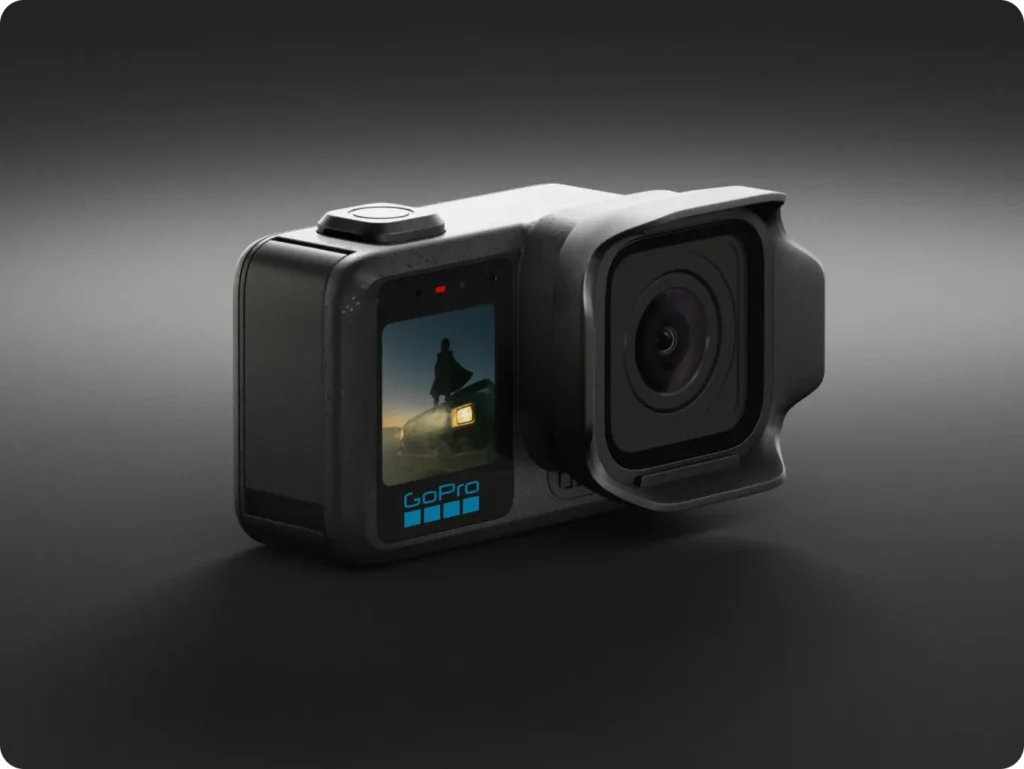
For many years, filmmaking meant big cameras, heavy setups, and high budgets. But now things are changing fast. A new category is emerging: compact cinema cameras.
And the biggest surprise in this space is the launch of GoPro Mission 1 and its variations.
Yes, the same GoPro known for action cameras is now entering the professional filmmaking space.
- So, hereafter, cameras are becoming:
- Smaller
- More powerful
- Easier to carry
- Ready for both vertical and horizontal content
This major shift is mainly because of the advancement of:
- YouTube creators
- Instagram & Reels
- Travel vloggers
- Indian short filmmakers
Today, creators don’t want bulky gear. They want cinema-quality in pocket size, and that’s exactly where compact cinema cameras like Mission 1 are expected to be.
User Doubts and Clarifications for GoPro Mission 1:
What is GoPro Mission 1?
- It is a compact cinema camera, not a normal action cam, and it is built for:
- Professional video shooting
- High-quality content creation
- Filmmaking workflows
Why is this launch important?
GoPro is shifting from an action camera brand to a competitor in the cinema camera market. This means it now competes with brands like Sony, Blackmagic, and DJI.
What makes it different from a typical GoPro camera?
| Feature | Normal GoPro | Mission 1 |
| Use | Action / Travel | Filmmaking |
| Video | 4K–5K | 8K cinematic |
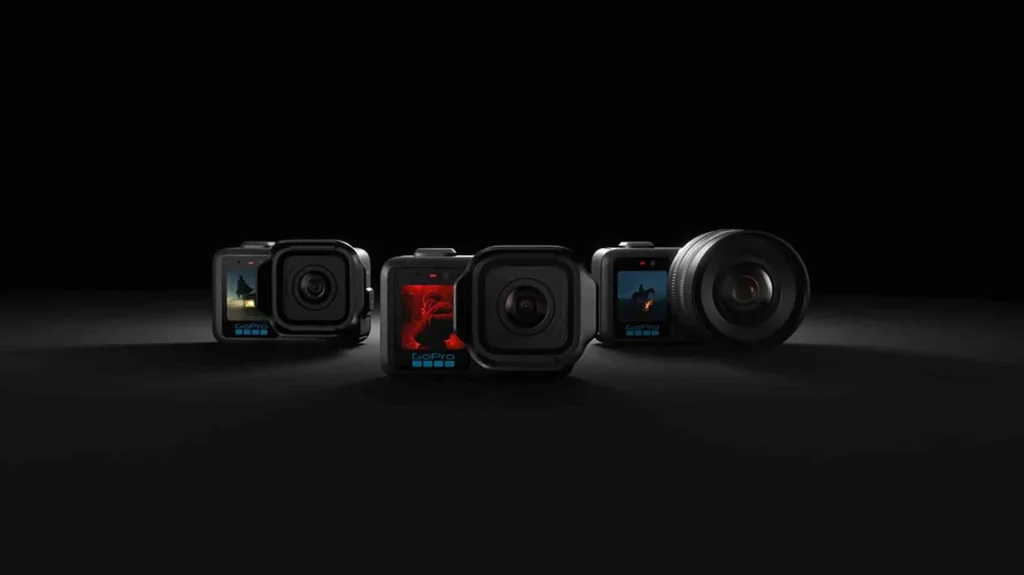
| Lens | Fixed | Interchangeable (Pro ILS) |
| Color | Basic | Pro color grading |
| Audio | Standard | 32-bit professional |
So our suggestion: This is not for basic users.
What is a Compact Cinema Camera?
I will try to explain in simple terms: it means cinema-level video quality in a small, portable body.
This means that earlier cinema cameras were heavy and costly, but now they are compact and powerful.
Is 8K really useful?
Why not? It is mainly useful for professional editing, cropping without loss of quality, and creating future-proof content. At present, for most people, 4K video quality is still enough.
Who should buy the GoPro Mission 1?
Best for:
- YouTubers upgrading quality
- Filmmakers
- Travel content creators
- Production teams
Not Suitable for:
- Beginners
- Casual users
- Budget buyers
Can it replace DSLR or mirrorless cameras?
In some cases, such as if you want a lightweight setup, travel shooting, or run-and-gun filming
What is special about the ILS version?
The Pro ILS version offers advanced features, including support for Micro Four Thirds (MFT) lenses, so you can change lenses, achieve cinematic flexibility, and exercise more creative control. This is a major trend shift for the GoPro brand.
Is it good for Indian creators?
Yes, especially for travel vloggers, moto vloggers, YouTube creators, and wedding cinematographers. It is easy to carry, handles heat better, and works in outdoor conditions.
Mediastrone Specification:
- 1-inch large sensor: Better low-light shooting (night videos look clearer, less noise).
- 8K video recording (up to 60fps): You can crop, zoom, and edit without losing quality.
- 10-bit color with Log profile: Perfect for cinematic color grading (film-like look).
- Interchangeable lens (ILS model): Use different lenses for travel, portraits, or cinematic shots.
- Ultra slow motion (up to 960fps): Capture dramatic action scenes smoothly.
- 32-bit float audio: No audio distortion even if the sound is loud (very useful in Indian weddings/events).
- New processor (better heat control): Long recording without overheating (important in the Indian climate).
- Compact & lightweight body: Easy to carry for travel, vlogging, and outdoor shoots.
- Rugged / action-ready design: Works in tough conditions like rain, dust, and travel.
Conclusion:
The launch of GoPro Mission 1 clearly shows one thing: the future of cameras is compact and powerful, and creator-focused. We are moving from big, heavy cameras to small, cinema-quality devices